Intern at PMO
Intern at PMO
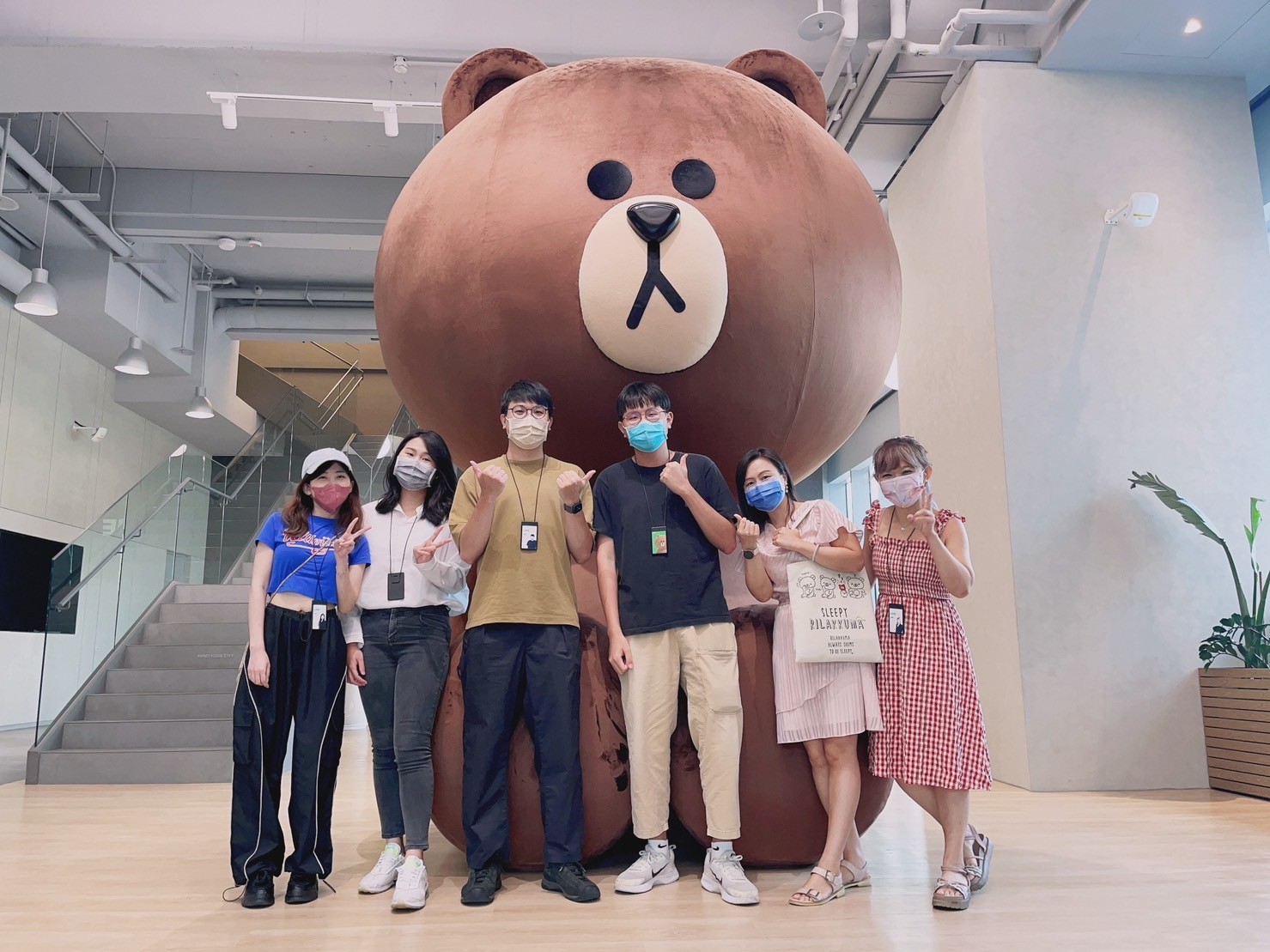
During my time at LINE, I was an intern in the PMO (Project Management Office). However, due to LINE's unique system, my job responsibilities were the same as those of a full-time employee. My primary duties included assisting departments that pushed content on Smart Channel with data analysis, devising optimization plans, and monitoring processes, among others. This provided me with ample learning experience in the skills and knowledge needed for a Project Manager
During my time at LINE, I was an intern in the PMO (Project Management Office). However, due to LINE's unique system, my job responsibilities were the same as those of a full-time employee. My primary duties included assisting departments that pushed content on Smart Channel with data analysis, devising optimization plans, and monitoring processes, among others. This provided me with ample learning experience in the skills and knowledge needed for a Project Manager
Smart Channel
Smart Channel
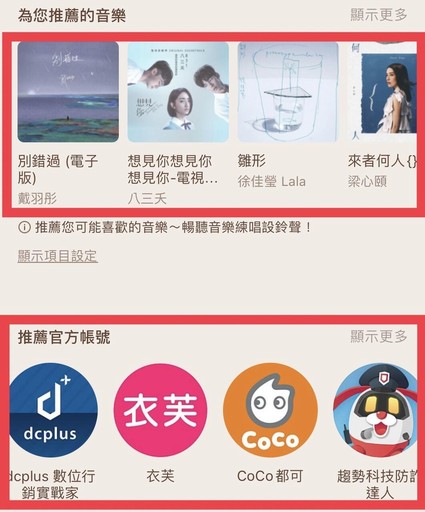
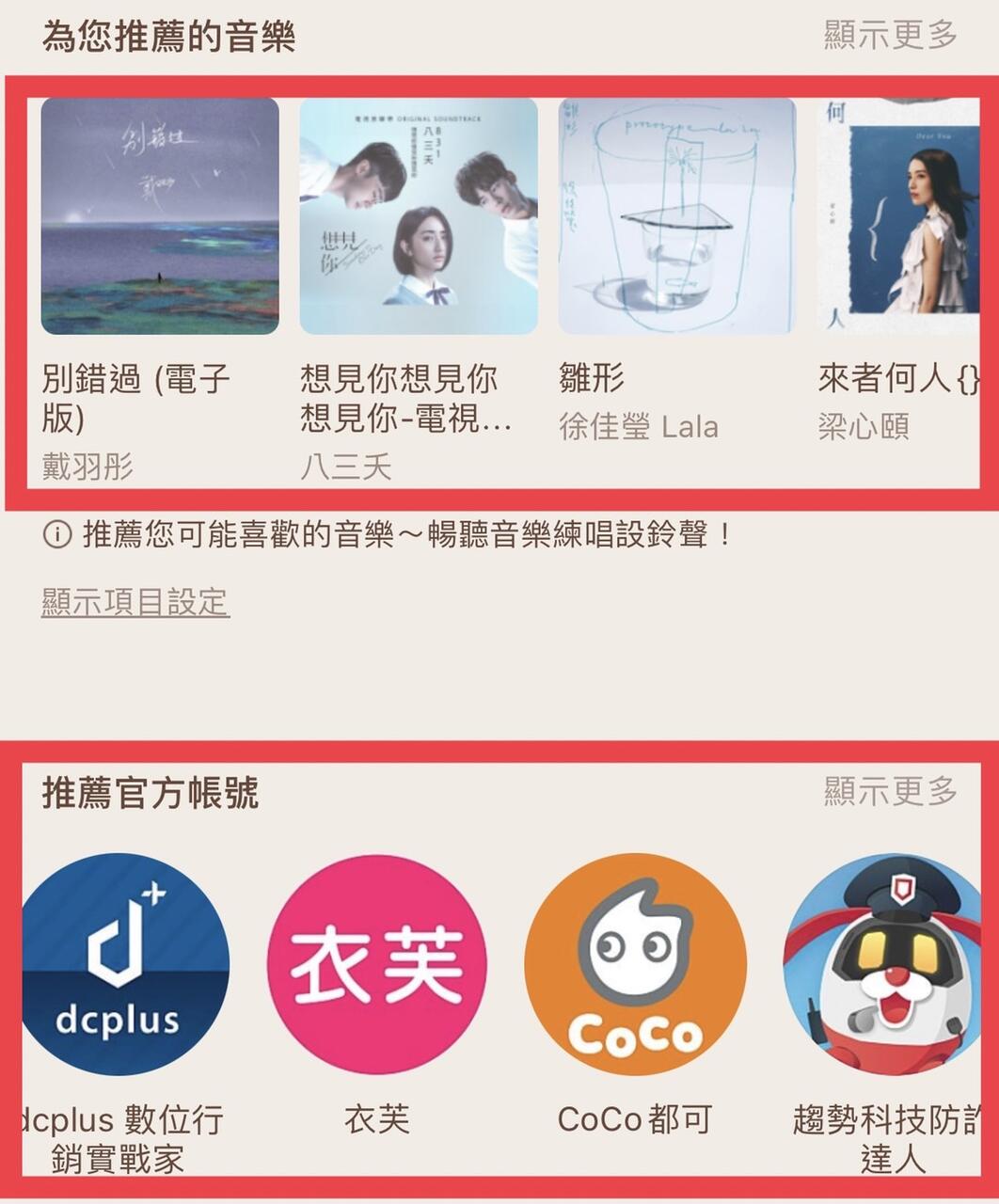
Smart Channel was the main product I was responsible for in the past. It is a recommendation system that suggests content based on user tags. It encompasses areas like hometab, chattab, and wallettab, all of which fall under Smart Channel. During my tenure, I successfully completed at least 9 projects and engaged in cross-departmental communications with more than 5 departments. Each department has different KPIs and everyone wants to maximize exposure. Therefore, the most important task for a Praject Manager is to understand which product performs best at different times, allocating the right time to the right product in order to maximize benefits
Smart Channel was the main product I was responsible for in the past. It is a recommendation system that suggests content based on user tags. It encompasses areas like hometab, chattab, and wallettab, all of which fall under Smart Channel. During my tenure, I successfully completed at least 9 projects and engaged in cross-departmental communications with more than 5 departments. Each department has different KPIs and everyone wants to maximize exposure. Therefore, the most important task for a Praject Manager is to understand which product performs best at different times, allocating the right time to the right product in order to maximize benefits
Work Experience
Work Experience
Wiki for Project Management
Wiki for Project Management
Wiki for Project Management
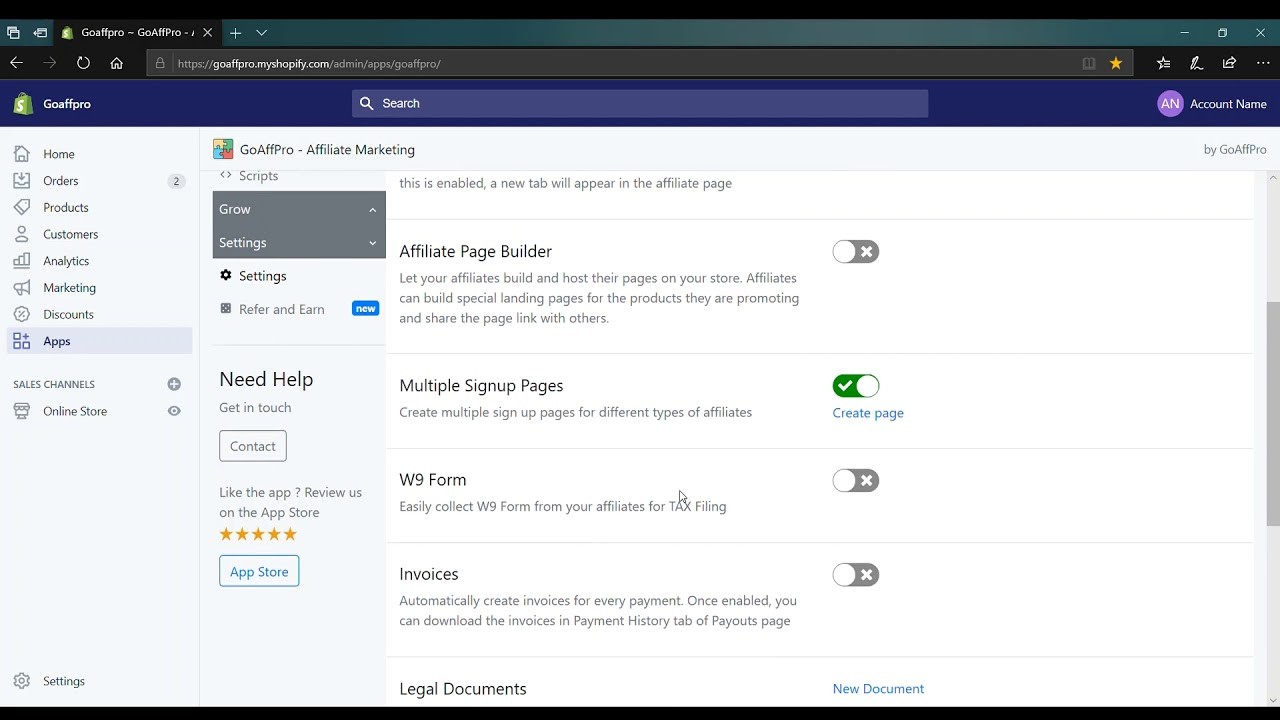
We use the Wiki system for project management. Before initiating a project, we start with a 'problem hypothesis,' and through insights from data analysis and the Pyramid Principle, we establish hypotheses for validation. This technique is adopted from BCG (Boston Consulting Group). I have internalized it into my work. After defining the problem and hypotheses, we discuss with the Product Owner and develop optimization plans, schedule A/B testing, and define key metrics. Following this is project tracking. The most crucial aspect of executing a project is 'clearly defining the real problem'. Only if the start is right, will the results align with expectations. Therefore, I spend most of my time initially on problem hypothesis. Lastly, based on the results, I continuously optimize the hypotheses, maintain agility in testing, and persist until the results meet our expectations
We use the Wiki system for project management. Before initiating a project, we start with a 'problem hypothesis,' and through insights from data analysis and the Pyramid Principle, we establish hypotheses for validation. This technique is adopted from BCG (Boston Consulting Group). I have internalized it into my work. After defining the problem and hypotheses, we discuss with the Product Owner and develop optimization plans, schedule A/B testing, and define key metrics. Following this is project tracking. The most crucial aspect of executing a project is 'clearly defining the real problem'. Only if the start is right, will the results align with expectations. Therefore, I spend most of my time initially on problem hypothesis. Lastly, based on the results, I continuously optimize the hypotheses, maintain agility in testing, and persist until the results meet our expectations
We use the Wiki system for project management. Before initiating a project, we start with a 'problem hypothesis,' and through insights from data analysis and the Pyramid Principle, we establish hypotheses for validation. This technique is adopted from BCG (Boston Consulting Group). I have internalized it into my work. After defining the problem and hypotheses, we discuss with the Product Owner and develop optimization plans, schedule A/B testing, and define key metrics. Following this is project tracking. The most crucial aspect of executing a project is 'clearly defining the real problem'. Only if the start is right, will the results align with expectations. Therefore, I spend most of my time initially on problem hypothesis. Lastly, based on the results, I continuously optimize the hypotheses, maintain agility in testing, and persist until the results meet our expectations
Tableau & Oasis for Analyze
Tableau & Oasis for Analyze
Tableau & Oasis for Analyze
In terms of data analysis, monitoring is conducted through two systems: Tableau and Oasis. Oasis seems to be developed internally by LINE, so there is less information about it online. However, if the data I need is not in the monitoring tables or if there is an issue with the data, I would manually retrieve the necessary information using SQL. It is essential in data analysis to understand the broader context, as data performance may not always be objective. For instance, a product may perform exceptionally well one day and poorly the next, influenced by factors like holidays, days of the week, and times of the day. By creating a 'heat map' through data, one can easily understand how the same product performs at different times. Through tagging, you can also learn about the kind of audience that the product attracts. By making adjustments based on time and user profiles, you can effectively improve conversion rates
In terms of data analysis, monitoring is conducted through two systems: Tableau and Oasis. Oasis seems to be developed internally by LINE, so there is less information about it online. However, if the data I need is not in the monitoring tables or if there is an issue with the data, I would manually retrieve the necessary information using SQL. It is essential in data analysis to understand the broader context, as data performance may not always be objective. For instance, a product may perform exceptionally well one day and poorly the next, influenced by factors like holidays, days of the week, and times of the day. By creating a 'heat map' through data, one can easily understand how the same product performs at different times. Through tagging, you can also learn about the kind of audience that the product attracts. By making adjustments based on time and user profiles, you can effectively improve conversion rates
In terms of data analysis, monitoring is conducted through two systems: Tableau and Oasis. Oasis seems to be developed internally by LINE, so there is less information about it online. However, if the data I need is not in the monitoring tables or if there is an issue with the data, I would manually retrieve the necessary information using SQL. It is essential in data analysis to understand the broader context, as data performance may not always be objective. For instance, a product may perform exceptionally well one day and poorly the next, influenced by factors like holidays, days of the week, and times of the day. By creating a 'heat map' through data, one can easily understand how the same product performs at different times. Through tagging, you can also learn about the kind of audience that the product attracts. By making adjustments based on time and user profiles, you can effectively improve conversion rates

Y21 User Demographic
Y21 User Demographic
This is one of the projects I was in charge of, where I had to analyze the user demographics of all the products, and compare key metrics to see whether the current performance of the products is improving or declining. For those products that were performing particularly poorly, I had to create a customized Enhancement Plan. I began by using SQL to extract most of the data, followed by using pivot tables in Excel for basic data cleaning and organization. I then listed the performance of each product by year and month, and compiled all the factors that could have impacted performance throughout the year (such as product updates, the pandemic, news, etc.). I compared these fluctuations in performance with the overall performance of the app to determine whether the product performance was affected by internal factors or external environmental factors. Following this, I compiled insights specific to each product based on the conclusions drawn. The project took approximately one and a half months to complete
This is one of the projects I was in charge of, where I had to analyze the user demographics of all the products, and compare key metrics to see whether the current performance of the products is improving or declining. For those products that were performing particularly poorly, I had to create a customized Enhancement Plan. I began by using SQL to extract most of the data, followed by using pivot tables in Excel for basic data cleaning and organization. I then listed the performance of each product by year and month, and compiled all the factors that could have impacted performance throughout the year (such as product updates, the pandemic, news, etc.). I compared these fluctuations in performance with the overall performance of the app to determine whether the product performance was affected by internal factors or external environmental factors. Following this, I compiled insights specific to each product based on the conclusions drawn. The project took approximately one and a half months to complete
This is one of the projects I was in charge of, where I had to analyze the user demographics of all the products, and compare key metrics to see whether the current performance of the products is improving or declining. For those products that were performing particularly poorly, I had to create a customized Enhancement Plan. I began by using SQL to extract most of the data, followed by using pivot tables in Excel for basic data cleaning and organization. I then listed the performance of each product by year and month, and compiled all the factors that could have impacted performance throughout the year (such as product updates, the pandemic, news, etc.). I compared these fluctuations in performance with the overall performance of the app to determine whether the product performance was affected by internal factors or external environmental factors. Following this, I compiled insights specific to each product based on the conclusions drawn. The project took approximately one and a half months to complete
Live on LINE
Live on LINE
Live on LINE
My one and a half years at LINE was the internship where I grew the most. Because my work was the same as that of a full-time employee, I needed to take responsibility for every analysis and project I worked on. I also learned how to manage deadlines effectively so as to create a more flexible schedule without making the team I was collaborating with feel rushed. When dealing with colleagues from different departments and of different ages, communication techniques varied. It was important to understand what the other party was looking for, and only by doing this could there be a chance for successful communication on the premise of a win-win situation
My one and a half years at LINE was the internship where I grew the most. Because my work was the same as that of a full-time employee, I needed to take responsibility for every analysis and project I worked on. I also learned how to manage deadlines effectively so as to create a more flexible schedule without making the team I was collaborating with feel rushed. When dealing with colleagues from different departments and of different ages, communication techniques varied. It was important to understand what the other party was looking for, and only by doing this could there be a chance for successful communication on the premise of a win-win situation
My one and a half years at LINE was the internship where I grew the most. Because my work was the same as that of a full-time employee, I needed to take responsibility for every analysis and project I worked on. I also learned how to manage deadlines effectively so as to create a more flexible schedule without making the team I was collaborating with feel rushed. When dealing with colleagues from different departments and of different ages, communication techniques varied. It was important to understand what the other party was looking for, and only by doing this could there be a chance for successful communication on the premise of a win-win situation
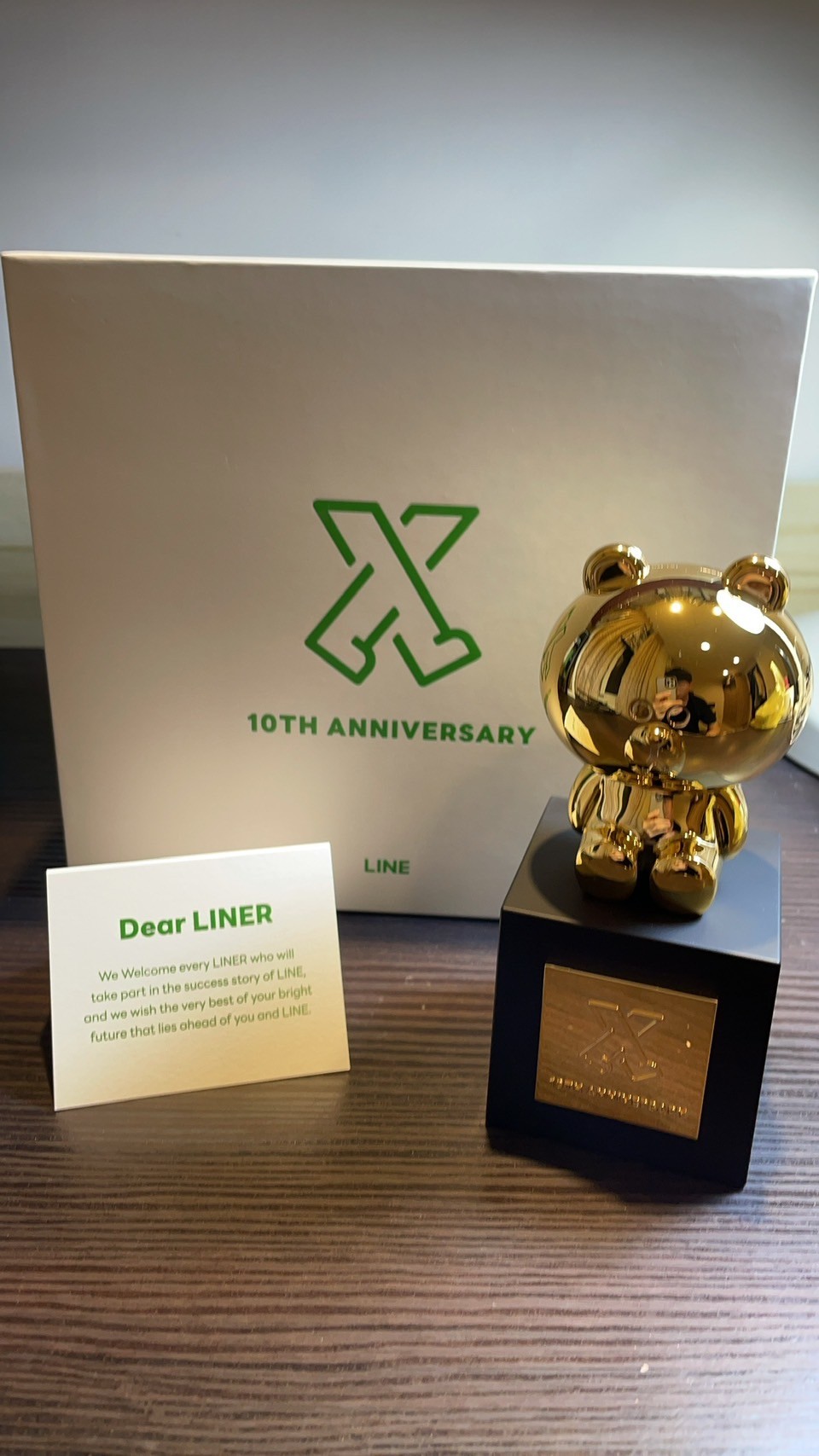
Intern at PMO
During my time at LINE, I was an intern in the PMO (Project Management Office). However, due to LINE's unique system, my job responsibilities were the same as those of a full-time employee. My primary duties included assisting departments that pushed content on Smart Channel with data analysis, devising optimization plans, and monitoring processes, among others. This provided me with ample learning experience in the skills and knowledge needed for a Project Manager
Smart Channel was the main product I was responsible for in the past. It is a recommendation system that suggests content based on user tags. It encompasses areas like hometab, chattab, and wallettab, all of which fall under Smart Channel. During my tenure, I successfully completed at least 9 projects and engaged in cross-departmental communications with more than 5 departments. Each department has different KPIs and everyone wants to maximize exposure. Therefore, the most important task for a Praject Manager is to understand which product performs best at different times, allocating the right time to the right product in order to maximize benefits